
By Sathish Nandagopal, Founder & Director, S Cube Ergonomics Pvt Ltd.
Every January, professionals recommit to familiar promises-be healthier, work smarter, prioritise self-care. The intentions are admirable. The execution, less so.
Because year after year, one of the most impactful decisions for daily well-being is consistently overlooked: investing in a genuinely ergonomic chair.
Not a decorative “executive” chair with aggressive styling. Not a hand-me-down from a forgotten meeting room. But a chair designed to support the human body through long hours of focused work.
Given that most professionals now spend upwards of 2,000 hours a year seated, the omission is not just curious, it’s counterproductive.
The Myth of Physical Invincibility
There is a persistent belief, particularly among younger professionals, that ergonomic issues are a future concern. Posture, back pain, shoulder tension-these are problems for later.
Discomfort rarely announces itself dramatically. It accumulates quietly: a stiff neck after meetings, fatigue by mid-afternoon, lower-back tightness that becomes normalised. By the time pain demands attention, the damage is often already embedded in daily habits.
Ergonomics is not a response to injury; it is prevention.
The Investment Paradox
It’s not unusual to see people invest readily in wellness accessories, technology upgrades, or convenience subscriptions, many of which are used sporadically. Yet when it comes to the chair that supports them for most of their working day, spending suddenly becomes a hesitation point.
This is a curious mismatch. Few tools influence comfort, posture, focus, and long-term health as directly as a well-designed chair. The cost of ignoring that reality often appears later-in reduced energy, lost productivity, and medical intervention.
Why Comfort at Work Still Feels Undeserved
There remains an unspoken belief that work should be endured rather than supported — that discomfort is simply part of professional life. Comfort, in this mindset, is a personal indulgence reserved for home.
This thinking is outdated. Today’s work is cognitive, collaborative, and continuous. Expecting high performance while neglecting physical wellbeing is not discipline; it’s inefficiency.
When Design Is Prioritised Over the Human Body
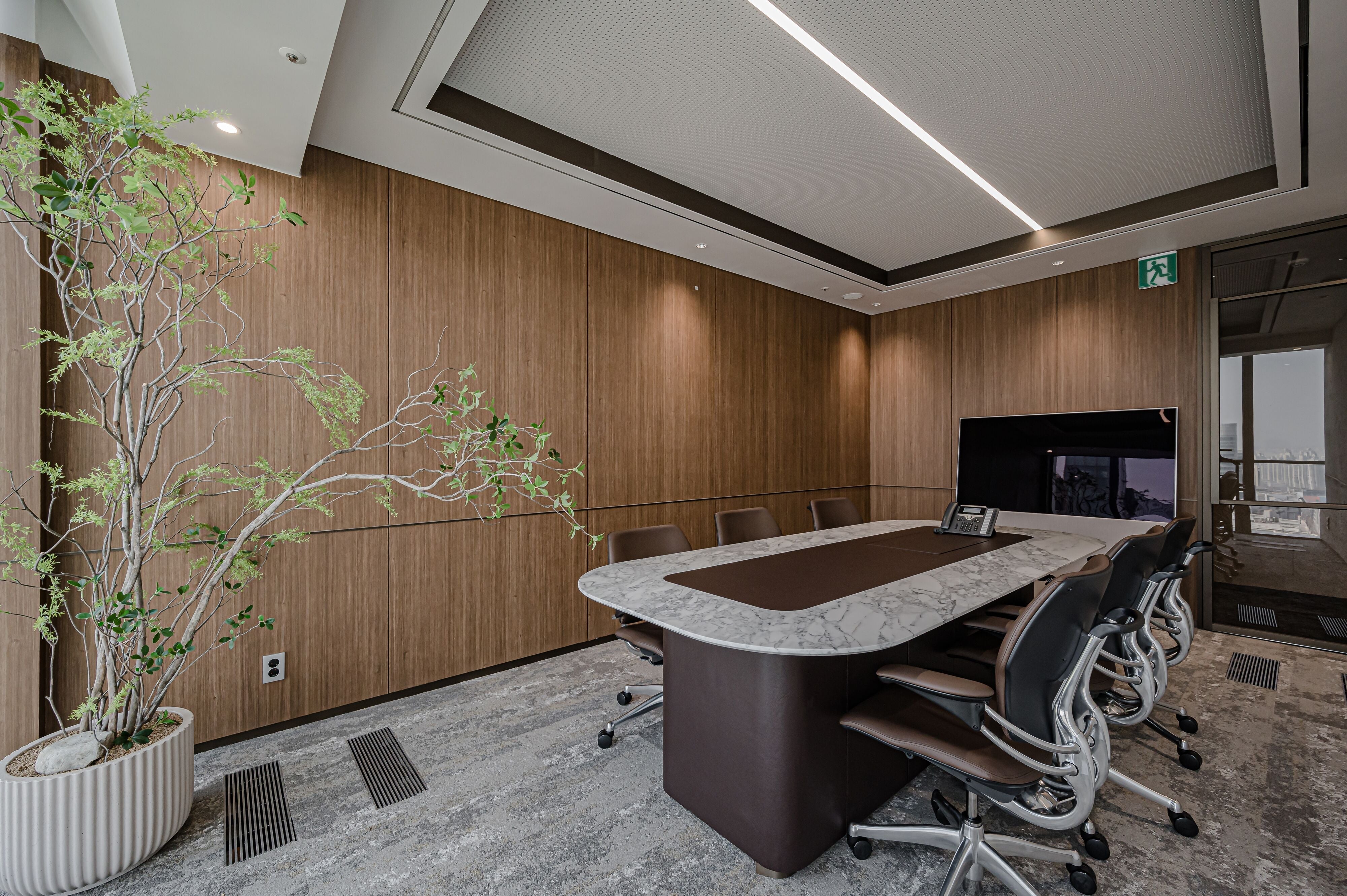
In many workplaces, seating decisions are still driven by visual uniformity rather than ergonomics. Chairs are selected to complement interiors, not spinal alignment. The result? Beautiful spaces that quietly compromise the people using them.
Good ergonomic design does not detract from aesthetics, it enhances them by acknowledging that people, not furniture, are the centre of the workplace.
The Overlooked Productivity Advantage
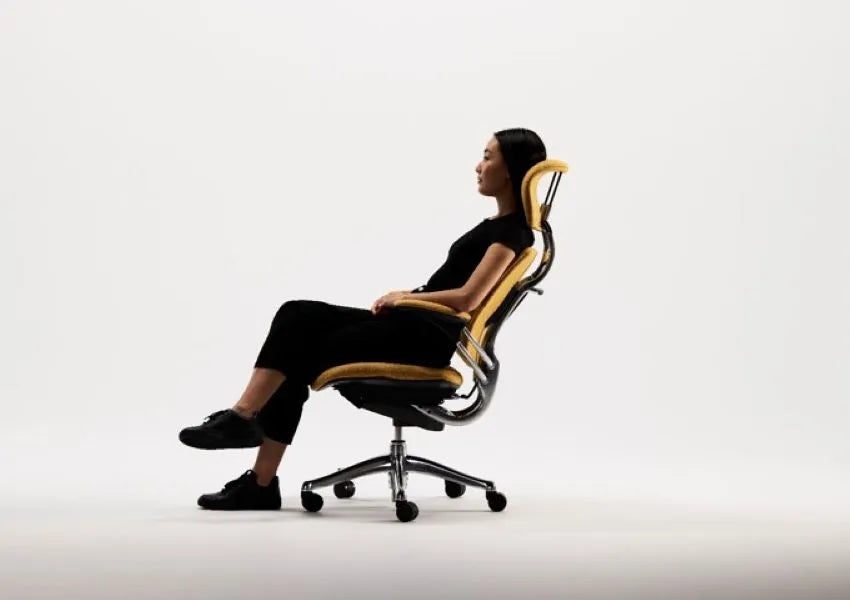
A properly engineered ergonomic chair does more than provide comfort. It reduces fatigue, improves focus, minimises unnecessary movement, and supports posture throughout long periods of work.
When the body is supported, mental energy is preserved. Meetings feel shorter. Concentration lasts longer. Recovery after work improves. These are not minor gains, they directly affect performance.
Rethinking Resolutions That Actually Work
If New Year’s resolutions were grounded in measurable outcomes rather than aspiration, investing in ergonomic seating would rank near the top. Because when people sit better, they think better. When they think better, they work better. And when work becomes less physically taxing, everything else- health, energy, consistency- becomes easier to maintain.
True self-care is rarely dramatic. Sometimes, it starts with the chair you spend most of your waking hours in.
Resource : Business World( BW Wellbeing World)